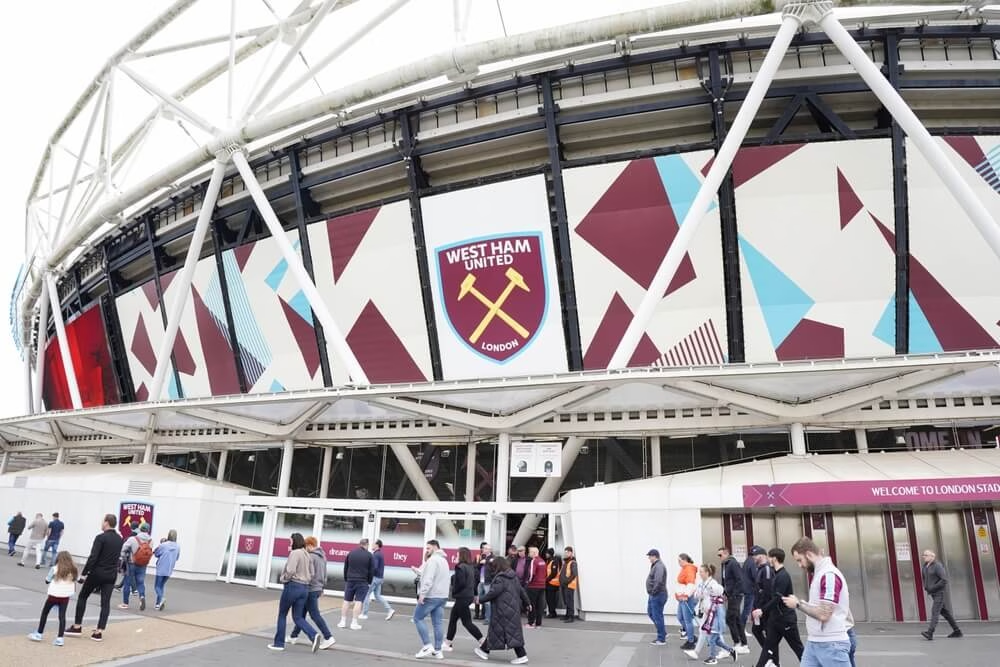

Andy Burnham, the UK’s Prime Minister, has indicated that he may lift the ban on drinking alcohol in the stands at men’s football matches. He has stated it is “unfair” for fans of the sport to be singled out as fans of other sports do not face the same restrictions, including rugby, cricket and women’s football supporters.
Burnham first addressed the matter in the summer of 2026, while watching a rugby league game at Everton’s Hill Dickinson Stadium in Liverpool, where supporters of the sport are permitted to enjoy a drink in the stands.
The Football Supporters’ Association, the English Football League and many clubs are also in favour of lifting the ban.
Government sources have emphasised that the Prime Minister’s comments on the alcohol restriction concerning men’s football are based on his opinion, as opposed to constituting a policy announcement. Public consultations and reviews may need to take place before any changes to the law are made, especially as the matter is divisive.
Why was the alcohol ban implemented?
The ban, which has now been implemented for 41 years, was introduced by the Sporting Events (Control of Alcohol etc.) Act 1985 and applies in England and Wales. In relation to alcohol, the Act prohibits:
- the consumption of alcohol within view of the pitch in the top five tiers of men’s football during the restricted period (15 minutes before the start of the event to 15 minutes after the end of the event);
- drunken entry into a football ground;
- the consumption of alcohol on certain coaches, trains and motor vehicles travelling to a designated football match.
The ban was implemented to combat alcohol-fuelled hooliganism and rising crowd violence affecting English football throughout the 1970s and into the 1980s. It impacts clubs in the Premier League down to the National League and although beer can be sold during football matches, it must be consumed in areas that do not have a view of the pitch.
In Scotland, there is an even stricter law that has been in place since 1981, as alcohol is only available in the corporate and hospitality suites during matches, and is not available for supporters in general admission areas.
Burnham has highlighted that the legislation dates to an era where football was significantly different and has referred to it as “outdated” and “discriminatory.”
The 1985 Act has also been criticised for encouraging binge drinking as some supporters at matches may consume alcohol prior to arriving at the stadium or consume alcohol quickly before kick-off and at half-time because they are required to finish their drink before returning to their seat. A trial could therefore test whether slower consumption in seated areas reduces rushed drinking, which can be harmful to health.
However, the police have expressed reservations regarding lifting the ban and believe it would be “incredibly rash” to make changes without considering the impact on safety. A spokesperson from the UK Football Policing Unit (UKFPU) stated changes to the law would pose “challenges” to policing and the “safety of staff and fans at football games.” He also highlighted that alcohol has historically played a significant part in violent and disorderly behaviour at football matches, and states that a proper consultation would be needed prior to changing the rules.
The police would also like to meet with the Prime Minister prior to any changes being implemented to “discuss his views and explain the challenges these proposed changes would bring to policing and the safety of staff and fans at football games.”
The Successful Trial
WSL Football, the governing body of the top two professional divisions of women’s football in England ran their 18-month “Fan Choice” pilot during the 2025-2026 season. The pilot involved 20 clubs in the Women’s Super League (WSL) and WSL2 and gave supporters the option to consume alcoholic or non-alcoholic beverages in the stands during matches.
According to the Football Supporters’ Association, there were no reported incidents or ejections related to the pilot.
Seven in 10 supporters now support alcohol being available in the stadium bowl at women’s games, up from 58% last summer, and only one in 10 is against it. More than 90% of fans also reported that WSL matches had a safe atmosphere and remained family-friendly throughout the pilot.
Following the successful trial, WSL Football’s shareholders changed their regulations and WSL and WSL2 clubs can permit supporters to consume alcohol in view of the pitch from next season. Clubs will be required to inform their supporters whether they will allow the consumption of alcohol during matches and provide designated sections of their grounds as alcohol-free zones to give supporters a choice.
Since the regulations have been changed, 25 out of 26 clubs across the two divisions of English women’s football have decided to give their supporters the option to consume alcohol in the stands during all their home games.
It is notable however, that women’s football has comparatively low incidences of crowd trouble, and government data shows that there were no arrests recorded at any women’s football matches in England and Wales during the 2023-2024 season.
The success of the trial was predicted to increase calls for restrictions to be loosened at Premier League and Championship stadiums involving men’s football matches, which has evidently been the case.
In relation to men’s football in the UK, the Prime Minister has suggested that change could be tested via a trial or pilot scheme, but it has been argued that an extensive consultation involving football clubs, fans and other relevant parties would also be required for wider change, and this would need to be organised accordingly.
Managing a Lift of the Ban – From a Licensing Perspective
The sale of alcohol by retail is a licensable activity under Section 1 of the Licensing Act 2003 and requires authorisation through a premises licence, a club premises certificate, or a temporary event notice (TEN) granted by the relevant local licensing authority, alongside individual sales being authorised by a personal licence holder.
Should the alcohol ban be lifted by the government, it would be essential for operators of football stadiums to audit their premises licence and apply for a variation if required.
As highlighted by UK-based security, crowd management and stewarding company Cronos Protection, football brings together large crowds, strong loyalties and moments of intense emotion, while alcohol reduces judgement. This creates risks and concerns relating to all four of the licensing objectives:
- The prevention of crime and disorder
- Public safety
- The prevention of public nuisance
- The protection of children from harm
However, risk-level may vary from match to match, depending on crowd profile, rivalry, attendance, stadium layout and other factors. This means that venues may be required to carry out a risk assessment for each event and demonstrate that they can manage the risk of hosting a given match.
Adding conditions to premises licences relating to designated seating blocks, limits on drink strength or quantity, restricted sale periods, approved containers, no-alcohol family areas and the power to suspend sales immediately, amongst other conditions, could help to ensure that the licensing objectives are promoted.
Premises licence conditions will also need to be compatible with licensing legislation, regulations and guidance, as well as instructions from licensing authorities, police and other responsible authorities.
Lifting the ban would therefore be a complex matter which will concern legislation, licensing, crowd behaviour, stadium design, stewarding and operational control. Operators of stadiums or other premises where matches are being held would need to ensure that the licensing objectives continue to be promoted in light of any legislative changes.
How Our Licensing Solicitors Can Help
We provide comprehensive advice and representation on all aspects of licensing policies and licence applications:
We can help you by:
- Reviewing and interpreting local authority licensing policies
- Advising on how policies affect your application
- Preparing compliant and strategically structured licence applications
- Representing you in licensing hearings and negotiations
- Justifying applications that deviate from licensing policies
- Helping protect your licence from review or revocation
We act for a wide range of businesses, including restaurants, bars, pubs, nightclubs, event venues, and other hospitality operators. We are specialists in negotiating with responsible authorities, residents’ associations and individuals to seek a compromise and ensure a suitable licence is obtained.
Why Choose TV Edwards?
- Highly ranked in legal directories – Legal 500 and Chambers UK
- Immediate emergency support – Call us on 0203 440 8000
- Specialist representation – Police station advisers, solicitors, and higher court advocates
- Hardworking problem-solvers – We fearlessly challenge evidence, protecting your interests
- Honest and down-to-earth – We explain your options compassionately and in plain English